Elevating Visual Identity with Retro Neon: A Strategic Design Choice for Modern Creators
In an era where digital noise is the constant backdrop of our professional lives, capturing attention requires more than just bold claims; it demands a visual language that cuts through the clutter. For professionals, creators, entrepreneurs, and marketers, the search for a typeface that balances nostalgia with modern utility has led to a renewed appreciation for Retro Neon. This is not merely a stylistic flourish or a fleeting trend confined to the aesthetics of the 1980s. Instead, Retro Neon represents a sophisticated intersection of sharp design principles and emotional resonance, offering a tool that truly inspires your works.
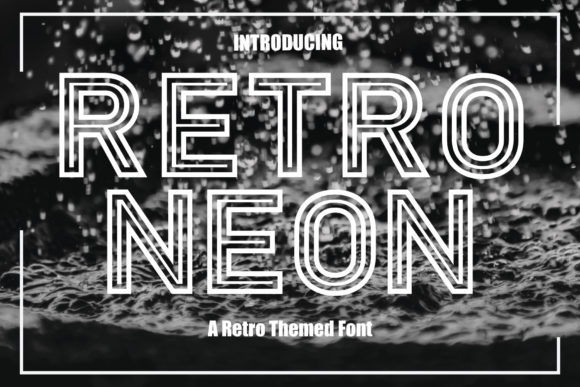
The typography market is saturated with options, yet few fonts manage to be as simple and sharp looking while simultaneously evoking such a strong sense of atmosphere. Retro Neon stands out by merging the geometric precision of contemporary display fonts with the glowing allure of mid-century signage. It is a font designed for those who understand that their brand's voice must be clear, direct, and unforgettable.
Defining the Aesthetic: Simplicity Meets Sharpness
To understand why Retro Neon is gaining traction among industry leaders, one must first look at its fundamental construction. Unlike many "retro" typefaces that rely on excessive ornamentation, serifs, or complex textures, this font adheres to a philosophy of minimalism. The strokes are clean, the terminals are crisp, and the geometry is unapologetically straightforward. This simplicity is what makes it so versatile across various mediums, from high-resolution web banners to mobile application interfaces.
The "sharp looking" quality mentioned in its description is crucial for modern workflows. In a landscape dominated by flat design and minimalist user experiences, a font that retains a bit of edge without sacrificing readability is invaluable. Retro Neon offers a display character that commands space. When used for headlines or key messaging, it acts as a visual anchor, drawing the eye immediately to the most important information. It does not whisper; it speaks with authority.
Furthermore, the font's ability to mimic the glow of neon signage without requiring actual lighting effects is a technical marvel for digital designers. It allows brands to inject warmth and energy into cold, sterile layouts. Whether you are designing a landing page for a tech startup or a promotional graphic for a lifestyle brand, Retro Neon provides the necessary contrast to make content pop. It is a testament to the idea that good design often lies in the balance between the familiar and the new.
Aligning with Broader Industry Trends
The resurgence of interest in Retro Neon is not happening in a vacuum. It is deeply connected to broader shifts in consumer psychology, creative expression, and business strategy. We are currently witnessing a significant cultural pivot toward "digital nostalgia." As technology becomes increasingly ubiquitous and AI-generated content floods the market, consumers are craving authenticity and human-centric design elements that feel tangible and grounded.
For entrepreneurs and freelancers, this shift presents a unique opportunity. By utilizing Retro Neon, brands can tap into the warm, inviting feelings associated with analog eras while maintaining the sleek efficiency required for modern commerce. This duality is essential for businesses trying to bridge the gap between established trust and innovative growth. The font serves as a visual metaphor for companies that value tradition but are built for the future.
In the realm of marketing, attention spans are shorter than ever. The average user decides whether to engage with content within milliseconds. Retro Neon addresses this need by providing immediate visual impact. Its sharp contours and distinct silhouette allow for rapid recognition, even when viewed on small screens or in low-light environments. This functional advantage aligns perfectly with the current demand for mobile-first design strategies.
The Evolution of Creative Workflows
The way we create content has changed dramatically over the last decade. The rise of remote work, freelance economies, and agile marketing teams means that tools must be adaptable. Retro Neon fits seamlessly into these evolving workflows because of its versatility. It is not limited to a single niche; rather, it adapts to the needs of the project at hand.
- Brand Consistency: For agencies managing multiple clients, having a font that can transition from a luxury fashion campaign to a gaming event website without losing its core identity is a massive asset.
- Speed and Efficiency: The clean lines of Retro Neon reduce cognitive load for both the designer and the viewer. There is no need to decipher complex letterforms, allowing the message to be communicated faster.
- Cross-Platform Compatibility: As digital ecosystems expand, the font must perform well across different operating systems and devices. The sharp, geometric nature of Retro Neon ensures legibility regardless of the rendering engine being used.
This adaptability reflects a larger trend in the design industry: the move away from rigid style guides toward fluid, context-aware branding. Professionals are no longer looking for a font that simply looks "good"; they need a font that performs well under specific constraints. Retro Neon delivers on this front by offering a robust framework that supports dynamic content creation.
Why Attention is Shifting to This Typeface
So, why are people paying attention to Retro Neon right now? The answer lies in the changing expectations of the audience. Modern consumers are visually literate; they have been trained by years of exposure to high-quality media to expect clarity and style in equal measure. They are tired of generic sans-serifs that blend into the background. They want something that feels curated and intentional.
Retro Neon satisfies this desire for intentionality. It signals that the creator has put thought into every pixel. It suggests a level of care and craftsmanship that resonates with audiences who value quality over quantity. In a market where differentiation is key, using a font like Retro Neon can be the deciding factor that sets a brand apart from its competitors.
Moreover, the font's association with creativity and inspiration cannot be overstated. For artists, writers, and innovators, the act of choosing a typeface is part of the creative process. Retro Neon inspires works because it encourages experimentation. It invites designers to play with color, spacing, and layout in ways that more conservative fonts do not. It opens up a world of possibilities where the text itself becomes a piece of art.
Practical Applications in Business and Lifestyle
The practical applications of Retro Neon extend far beyond mere decoration. Consider the case of a tech entrepreneur launching a new software product. By using Retro Neon for the main headline, they can convey a sense of cutting-edge innovation while grounding the product in a relatable, human narrative. The font bridges the gap between the abstract nature of code and the concrete reality of user experience.
In the lifestyle sector, from fitness apps to travel blogs, Retro Neon adds a layer of vibrancy that motivates and engages. It captures the energy of movement and the excitement of discovery. For example, a fitness brand might use the sharp edges of the font to represent strength and determination, while the "neon" aspect evokes the late-night energy of a workout session.
Even in traditional industries, such as finance or legal services, there is a growing trend of rebranding to appear more approachable and modern. Retro Neon can soften the image of these sectors without compromising their professional standing. It shows that these organizations are aware of current trends and are willing to evolve their communication strategies to meet clients where they are.
Connecting to Larger Developments
As we look toward the future, the role of typography in digital communication will only become more critical. With the advent of augmented reality (AR) and virtual reality (VR), the boundaries between physical and digital spaces will continue to blur. In these immersive environments, text needs to be legible, impactful, and aesthetically pleasing from any angle. Retro Neon's strong structural integrity makes it a prime candidate for these emerging technologies.
Additionally, as sustainability becomes a central concern for businesses, the efficiency of digital assets matters. Fonts that render cleanly and require fewer resources contribute to a lighter digital footprint. Retro Neon, with its efficient vector-based design, aligns with these environmental goals while delivering top-tier visual performance.
The journey of Retro Neon is a reminder that design is never static. It is a living discipline that responds to the needs of society. By exploring the endless possibilities offered by this font, professionals can ensure that their work remains relevant, inspiring, and effective. Whether you are a seasoned marketer or a budding freelancer, embracing the sharp, simple beauty of Retro Neon is a strategic move that pays dividends in engagement and brand recognition.
In conclusion, Retro Neon is more than just a font; it is a statement. It declares that your work is crafted with precision, inspired by history, and ready for the future. For those willing to explore its capabilities, it offers a path to creating designs that are not only seen but felt. In a crowded marketplace, let your words shine as bright as the neon signs that have guided us for decades.
Discover how Retro Neon can transform your next project. Embrace the sharp, the simple, and the inspiring. Your work deserves nothing less.