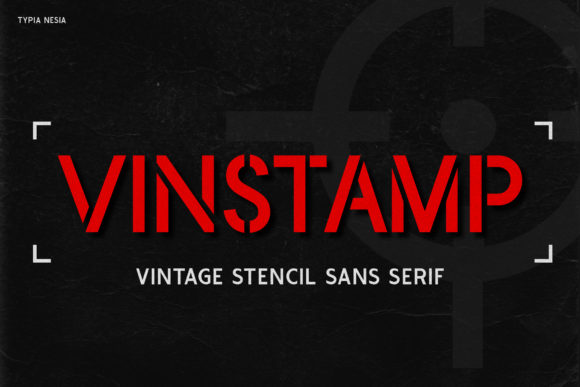
Evaluating Vinstamp for Display Typography Projects
When selecting a typeface for a design project, the choice often dictates the visual hierarchy and emotional tone of the final output. Vinstamp is a classic display font that has garnered attention for its distinct character and versatility. This evaluation explores the specific attributes of Vinstamp, analyzing its suitability for various design contexts. Whether you are working on branding, editorial layouts, or digital interfaces, understanding the functional capabilities of this typeface is essential for making an informed decision.
Understanding the Characteristics of Vinstamp
Vinstamp belongs to the category of display fonts, which are designed to be used at large sizes rather than for extended body text. Its classification as a "classic" suggests a foundation in traditional typographic principles while maintaining a unique identity that sets it apart from generic sans-serif or serif options. The design features a robust structure that allows it to hold its own visually without appearing heavy or dated.
The primary strength of Vinstamp lies in its legibility and impact. Unlike some decorative fonts that sacrifice readability for style, Vinstamp maintains clear letterforms even when scaled down slightly or viewed from a distance. This balance makes it a practical choice for designers who need to command attention without compromising clarity. The font's stroke contrast and terminal details contribute to a refined aesthetic that feels both modern and timeless.
Strategic Applications and Visual Contexts
One of the most compelling reasons to consider Vinstamp is its adaptability across different visual environments. A key feature of this typeface is its ability to perform well on busy backgrounds. In many design scenarios, the background image or pattern can compete with typography, causing the text to become illegible. Vinstamp's strong form and defined edges allow it to cut through complex textures, ensuring the message remains clear.
- Headline Dominance: As a standalone headline, Vinstamp provides a focal point that anchors the composition. It draws the eye immediately, making it ideal for poster designs, book covers, and banner advertisements where immediate engagement is required.
- Brand Identity: For businesses seeking a distinctive voice, Vinstamp offers a personality that is neither too aggressive nor too passive. It works effectively in logos and brand marks where a memorable impression is crucial.
- Editorial Design: In magazine layouts or long-form articles, using Vinstamp for pull quotes or section headers can break up dense text blocks and add a layer of visual interest without disrupting the reading flow.
The font's performance is particularly notable when used in high-contrast situations. If your design relies on bold imagery or vibrant colors, Vinstamp can provide the necessary structural support to keep the layout balanced. However, this strength also implies a limitation; it is not designed for small-point body copy. Attempting to use it for paragraphs would result in a fatiguing reading experience due to its display-oriented proportions.
Balancing Benefits and Tradeoffs
Selecting any typeface involves weighing benefits against potential tradeoffs. With Vinstamp, the primary benefit is its reliability in high-impact scenarios. It reduces the need for additional graphic elements to create emphasis because the font itself carries significant weight. This can streamline the design process, allowing the typography to do more of the heavy lifting.
However, there are considerations to keep in mind. Because Vinstamp is a display font, it may feel out of place in minimalist or corporate environments that favor understated elegance. If a project requires a neutral, invisible typeface that recedes into the background, Vinstamp will likely be too assertive. Additionally, the specific stylistic nuances of the font might clash with certain themes. For instance, if the subject matter is highly technical or scientific, a more utilitarian typeface might convey authority better than the classic flair of Vinstamp.
Another factor to evaluate is the range of weights and styles available. While many display fonts offer a full family including italics and multiple weights, the effectiveness of Vinstamp depends on whether the available variants meet the specific needs of the project. If a designer requires extreme light weights for subtle effects, they must verify that Vinstamp supports these variations before committing to the selection.
Situations Where Vinstamp Excels
Vinstamp is a strong fit for projects that require a blend of tradition and boldness. It is particularly effective in the following scenarios:
- Event Promotion: Concert posters, festival flyers, and event invitations benefit from the font's ability to stand out amidst crowded visual landscapes.
- Product Packaging: On packaging, especially for artisanal goods or premium products, Vinstamp adds a touch of sophistication and craftsmanship that resonates with consumers.
- Digital Headers: In web design, where screen real estate is limited, Vinstamp can serve as an effective hero text that captures user attention within seconds of landing on a page.
When to Consider Alternatives
There are instances where other typefaces might be more appropriate. If the goal is to create a sense of speed, modernity, or neutrality, a geometric sans-serif or a clean grotesque might be a better choice. Similarly, for projects requiring a high degree of customization or variable font technology, designers should compare Vinstamp against more flexible options. If the target audience includes users with visual impairments, the high contrast and specific styling of Vinstamp should be tested carefully to ensure accessibility compliance.
Practical Decision-Making Insights
To determine if Vinstamp aligns with your goals, start by defining the primary function of the typography. Ask yourself if the text needs to be read quickly or if it needs to be experienced visually. If the latter, Vinstamp is a viable candidate. It is also wise to test the font in context. Place it over your intended background images and at your planned sizes to see how it interacts with the surrounding elements. Sometimes a font looks perfect in isolation but fails when integrated into a full layout.
Furthermore, consider the longevity of the design. Classic fonts like Vinstamp tend to age better than trendy novelty fonts. If the project is intended to remain relevant for several years, choosing a typeface with a solid foundation is a prudent investment. Conversely, if the project is time-sensitive and tied to a fleeting trend, a more experimental font might be justified, though it risks dating the work quickly.
Conclusion
Vinstamp represents a reliable option for designers seeking a classic display font that delivers outstanding results in diverse contexts. Its ability to perform on busy backgrounds and stand alone as a headline makes it a versatile tool in the typographic toolkit. By understanding its strengths in high-impact scenarios and acknowledging its limitations regarding body text and niche applications, designers can make strategic choices that enhance their projects. Ultimately, the decision to use Vinstamp should be driven by the specific communicative needs of the content and the desired visual atmosphere of the final piece.