Old Typewriter: A Strategic Asset for Authentic Brand Storytelling
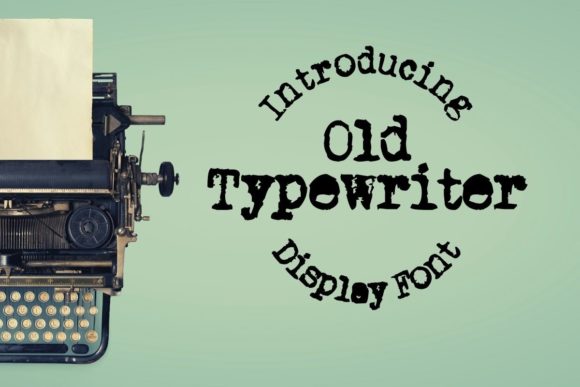
In a digital landscape saturated with polished, algorithm-friendly sans-serifs and geometric grotesques, the decision to deploy Old Typewriter is rarely accidental. It is a deliberate choice that signals a departure from the sterile corporate standard toward something more tactile, human, and historically grounded. This display font was created with an authentic, vintage feel, designed not merely to fill space but to imbue content with a specific psychological weight. For entrepreneurs, marketers, and creators seeking to differentiate their output, Old Typewriter represents a unique opportunity to leverage nostalgia as a strategic tool rather than relying on fleeting design trends.
The value of this font lies in its ability to bridge the gap between modern efficiency and historical authenticity. When integrated thoughtfully into a visual identity, it transforms plain text into a narrative device. It suggests that the message within has been crafted with care, much like a letter typed by hand decades ago. This perception of effort and intentionality can significantly enhance how audiences perceive your brand's credibility and depth.
The Psychology of Vintage Typography in Modern Contexts
Understanding why Old Typewriter works requires looking beyond aesthetics into the realm of consumer psychology. In an era where AI-generated content and mass-produced graphics dominate social feeds, users have developed a high tolerance for the generic. They are increasingly drawn to imperfections that signal human origin. The slight irregularities in character spacing, the simulated ink bleed, and the mechanical rhythm of a typewriter evoke a sense of reliability and truth.
For professionals and small business owners, this psychological trigger is invaluable. When you use Old Typewriter for headlines or key messaging, you are subconsciously telling your audience that your product or service is built on solid foundations. It reduces the perceived distance between the creator and the consumer. This is particularly effective for educators, authors, and publishers who want to emphasize the intellectual labor behind their work. The font acts as a visual cue that the content is worth reading slowly and critically.
Balancing Nostalgia with Clarity
However, the power of Old Typewriter comes with inherent constraints. As a display font, it is designed to make a statement, not to serve as body copy for dense technical manuals. Relying on it indiscriminately can lead to readability issues that undermine your communication goals. The strategic approach involves using this font to anchor specific elements while maintaining legibility through complementary typefaces. The goal is to create a hierarchy where the vintage aesthetic draws attention without obstructing the delivery of information.
Decision-makers must consider the context of their platform. On a mobile screen, the intricate details of a typewriter font may become muddy if the resolution is low or the size is too small. Therefore, planning your layout to accommodate the font's characteristics is essential before finalizing any design asset. This foresight ensures that the "vintage feel" enhances the user experience rather than degrading it.
Strategic Applications Across Industries
The versatility of Old Typewriter allows it to serve distinct functions across various professional domains. Its utility extends far beyond simple decoration; it is a functional element that supports branding, operations, and customer engagement when applied with clear intent.
- Branding and Identity: For boutique agencies, artisanal businesses, and lifestyle brands, Old Typewriter offers a way to establish a distinct voice. It signals heritage and craftsmanship. A coffee roaster or a local bookstore might use this font on packaging to convey a sense of tradition and quality that modern fonts cannot replicate.
- Marketing and Content Creation: Bloggers and digital marketers can utilize this font to highlight testimonials, pull quotes, or special offers. By isolating these elements in Old Typewriter, you create a visual pause that encourages the reader to stop scrolling and engage with the specific message. It adds a layer of personality to promotional materials that feels less transactional.
- Educational Materials: Educators and trainers can use this font to frame lesson plans, course titles, or historical case studies. The association with academic writing and classic literature lends an air of authority and seriousness to the material, helping students focus on the substance of the learning.
- Event Planning and Hospitality: Invitations, menus, and signage for weddings, vintage-themed events, or retro-style cafes benefit immensely from this aesthetic. It sets the tone immediately, preparing the guest for an experience that values atmosphere and detail.
Planning for Long-Term Brand Consistency
Integrating Old Typewriter into a long-term strategy requires more than just downloading a file; it demands a coherent plan. One of the most common mistakes made by freelancers and small business owners is treating fonts as isolated assets. Instead, they should be viewed as part of a broader ecosystem that includes color palettes, imagery, and tone of voice.
When building a brand library, consider how Old Typewriter interacts with your other design elements. Does it clash with a minimalist logo? Does it complement a warm, earthy color scheme? The font's mechanical nature pairs well with monochromatic schemes or muted tones, but it can look jarring against neon colors or ultra-modern gradients. Thoughtful pairing is crucial for achieving a cohesive look that stands the test of time.
Furthermore, consistency is key to recognition. If you decide to use Old Typewriter for your primary headlines, ensure it is used consistently across all touchpoints—from your website header to your printed invoices. Inconsistency dilutes the impact of the font and confuses the audience about the brand's identity. Establish clear guidelines early on regarding font weights, sizes, and usage scenarios to maintain operational discipline.
Avoiding the Pitfalls of Overuse
While Old Typewriter is a powerful tool, it carries risks if used without clear goals. The primary danger is "design fatigue." If every headline, button, and paragraph relies on this heavy aesthetic, the message loses its punch. The font becomes background noise rather than a signal. Additionally, overusing a vintage style can make a brand appear outdated or stuck in the past, which is detrimental for tech startups or companies focused on innovation.
To mitigate these risks, adopt a rule of restraint. Use Old Typewriter sparingly to highlight what matters most. Let it serve as the accent, not the foundation. For example, use it for the main title of a report but switch to a clean, neutral serif or sans-serif for the body text. This contrast not only improves readability but also emphasizes the importance of the typewritten section. By limiting its use, you increase the perceived value of the moments when it does appear.
Enhancing Customer Experience Through Intentional Design
Customer experience (CX) is often defined by the subtle details that make a brand feel human. Old Typewriter contributes directly to CX by adding a layer of warmth and approachability. In a world of automated chatbots and standardized forms, a document that looks like it was typed by a person can foster trust and connection.
Consider the scenario of a small business sending a personalized invoice or a thank-you note. Using Old Typewriter for the recipient's name or the company signature transforms a routine transaction into a memorable interaction. This small investment in design can yield significant returns in customer loyalty and word-of-mouth referrals. It shows that the business owner cares enough to curate the visual presentation of their communications.
For publishers and authors, this font can elevate the reading experience. It creates a sense of intimacy, as if the author is speaking directly to the reader across time. This emotional connection is difficult to achieve with standard digital fonts, making Old Typewriter an incredible asset for those whose success depends on storytelling and reader engagement.
Making the Decision: Is Old Typewriter Right for You?
Before committing to Old Typewriter as a core part of your visual identity, ask yourself a few strategic questions. What story are you trying to tell? Does a vintage, mechanical aesthetic align with your brand values? Are you targeting an audience that appreciates nostalgia and authenticity?
If your answers are affirmative, then this font is likely a strong addition to your library. However, if your brand is focused on speed, futurism, or cutting-edge technology, Old Typewriter might send mixed signals. The key is alignment. Every design choice should support your overarching business objectives and resonate with your target demographic.
Ultimately, the decision to use Old Typewriter should be driven by a desire to communicate with clarity and character. It is not about following a trend but about finding a visual language that speaks truthfully to your audience. By approaching this font with strategic intent, you can transform ordinary designs into compelling narratives that leave a lasting impression.
Whether you are launching a new venture, revamping an existing brand, or simply looking to add variety to your creative toolkit, Old Typewriter offers a pathway to distinction. Use it wisely, pair it thoughtfully, and let its authentic feel do the heavy lifting in connecting with your audience.