Story Element: The Friendly Font for Every Creative Project
Design often feels like a balancing act between professional polish and genuine human connection. You want your work to look intentional, yet you don't always want it to feel cold or overly corporate. This is where Story Element steps in as a versatile solution. It is not just another typeface; it is a friendly, simple, and fun display font designed to bring personality to your text without sacrificing readability.
Whether you are crafting physical invitations, building a digital presentation, or designing greeting cards for loved ones, this font has the potential to become your favorite go-to tool. Its unique character allows creators to communicate warmth and approachability instantly. In a world saturated with rigid sans-serifs and heavy serifs, Story Element offers a breath of fresh air that invites the audience to lean in and listen.
Understanding the Character of Story Element
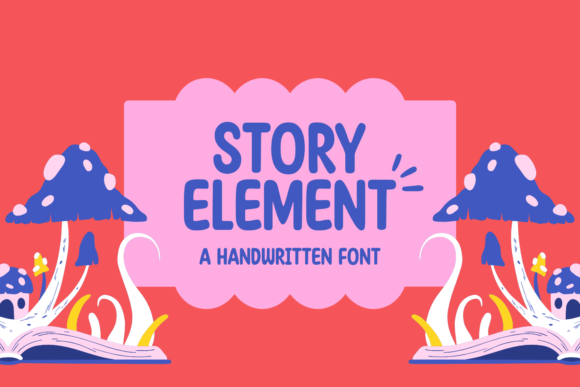
What makes a font truly useful? It is often the subtle details that we don't consciously notice but feel deeply. Story Element excels because it bridges the gap between whimsy and utility. It avoids the chaotic energy of novelty fonts while maintaining enough charm to stand out. The letterforms are rounded and inviting, suggesting a casual conversation rather than a formal announcement.
This balance is crucial for modern design. When you use Story Element, you signal to your audience that they are entering a space where creativity is welcome. It works beautifully for headings, titles, and short bursts of text where you need to capture attention. However, its simplicity ensures that it never overwhelms the content it supports. It acts as a supportive narrator, highlighting the story without stealing the spotlight.
The versatility of this font lies in its adaptability. It can be scaled up for massive posters or used in smaller sizes for detailed labels. The consistent stroke weight and open counters make it legible across various mediums, from high-resolution screens to printed paper. This reliability is what transforms a decorative typeface into a functional design asset.
Creative Applications for Designers and Makers
The true power of Story Element reveals itself when you start applying it to real-world projects. For graphic designers, it serves as an excellent pairing for clean body text. Imagine using a neutral sans-serif for paragraphs and letting Story Element handle the headlines. This contrast creates visual hierarchy and keeps the reader engaged.
- Digital Presentations: Slide decks often suffer from being too dry. Using Story Element for key takeaways or section headers can inject energy into your pitch. It helps break the monotony of bullet points and makes your data feel more accessible.
- Greeting Cards and Stationery: There is nothing quite like a handwritten feel in print. Story Element mimics the organic flow of handwriting while retaining the structure of print. It is perfect for birthday wishes, holiday greetings, or thank-you notes that need to feel personal.
- Workshops and Crafts: If you host creative workshops or sell handmade goods, this font adds a touch of artisanal quality. Use it on tags, packaging, or instructional handouts to reinforce the idea that your product was made with care.
For entrepreneurs and small business owners, branding is about consistency and tone. A bakery might use Story Element on its menu board to suggest homemade treats, while a children's education center could use it on signage to appear safe and welcoming. The font communicates a specific emotional value: that your brand cares about the experience of the user.
Adapting Styles for Different Audiences
One of the most impressive aspects of Story Element is how it adapts to different contexts without losing its identity. The same font file can tell vastly different stories depending on how you style it. By manipulating color, spacing, and layout, you can shift the perception of the text entirely.
Consider the needs of educators and bloggers. When creating educational materials, clarity is paramount, but engagement is equally important. Story Element can be used to highlight key concepts or define terms within a lesson plan. It draws the eye naturally to the information that matters most. For bloggers, it offers a way to make blog post titles pop in search results and social media feeds without looking spammy.
In the realm of marketing, the font's friendly nature helps build trust. Consumers are bombarded with aggressive sales copy daily. A softer, friendlier aesthetic can cut through the noise. Try using Story Element for call-to-action buttons or promotional banners. The approachable shape of the letters reduces friction and encourages interaction.
- Minimalist Approach: Pair the font with plenty of white space and muted colors. This lets the unique shapes of the letters shine and creates a sophisticated, modern look.
- Vibrant Playfulness: Combine the font with bold, saturated colors and dynamic layouts. This works well for event flyers, party invitations, or summer campaigns.
- Handcrafted Vibe: Layer the text over textured backgrounds like watercolor paper or kraft cardboard. This enhances the organic feel of the typography.
Practical Tips for Effective Usage
To get the best results with Story Element, it is essential to treat it with respect. Like any display font, it thrives on restraint. Overusing it can dilute its impact and make your design look cluttered. The goal is to use it strategically to guide the viewer's eye.
Start by limiting your usage to primary headings and key phrases. Avoid using it for long blocks of text, as the playful nature of the characters can cause reading fatigue over time. Instead, let it serve as the anchor for your message. Ensure that the contrast between your display text and body copy is significant enough to maintain clear hierarchy.
Consistency is also key to a professional finish. If you choose to use Story Element, stick with it throughout your project. Mixing it with too many other decorative fonts can create visual chaos. If you need variety, rely on changes in size, weight, or color rather than switching typefaces entirely. This approach maintains a cohesive brand voice.
Finally, test your designs in their intended environment. A font that looks stunning on a large monitor might lose some of its charm on a mobile screen or a small print label. Check your kerning and leading to ensure the text remains readable at all scales. Story Element is robust, but proper spacing will elevate it from good to great.
Embracing Creativity Without Compromise
Ultimately, the choice of a font is a decision about the story you want to tell. Story Element provides a foundation for narratives that are warm, inclusive, and engaging. It empowers creators to express themselves without getting bogged down by technical constraints or stiff design rules.
Whether you are a seasoned designer looking for a new signature style or a hobbyist making a first-time card, this font opens doors to endless possibilities. It reminds us that design is not just about aesthetics; it is about communication and connection. By choosing a font that feels friendly and simple, you invite your audience to engage with your content on a deeper level.
As you explore your next project, consider giving Story Element a try. Let it lead the way in creating designs that are not only visually appealing but also emotionally resonant. With its blend of fun and functionality, it is ready to support your vision, no matter how big or small the occasion may be.