Breaking the Mold: Why Broken Crush Defines Modern Informal Design
In a digital landscape saturated with clean lines, geometric precision, and sterile minimalism, there exists a powerful counter-movement that celebrates imperfection. This movement is characterized by textures that feel tactile, shapes that appear hand-cut, and typography that refuses to sit still. At the forefront of this aesthetic shift is Broken Crush, a typeface that has quickly become a favorite among designers seeking to inject personality into their work without sacrificing legibility.
This rough textured display font represents more than just a stylistic choice; it is a statement about authenticity in an era of digital polish. By understanding the unique characteristics of Broken Crush, professionals across various sectors can leverage its urban style to create designs that resonate on a deeper, emotional level with their audiences.
The Anatomy of Imperfection
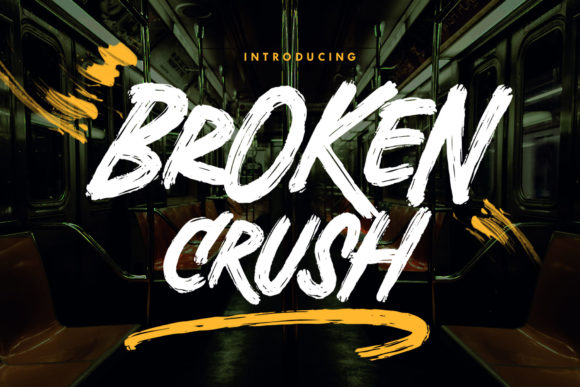
To truly appreciate the utility of this font, one must first look at what makes it distinct from standard sans-serif or serif options. Unlike fonts designed for body text where readability is paramount through uniformity, Broken Crush is engineered as a display type. Its defining feature is the rough texture applied to every character. This isn't merely a visual overlay; it creates a sense of depth and history, mimicking the look of worn concrete, crushed paper, or stenciled street art.
The "urban styled" nature of the font stems from its irregular edges and slightly distressed forms. These variations prevent the eye from gliding over the text too quickly, forcing the viewer to pause and engage with the content. For educators and researchers who need to grab attention in a crowded field of information, this interruption of flow is a strategic advantage. It signals that the content within is raw, unfiltered, and human.
Furthermore, the font maintains a fun and approachable tone. While it possesses a gritty edge, it does not lean into aggression or unreadability. The core structure of each letter remains intact, ensuring that even with the decorative distressing, the message is clear. This balance between chaos and order is the hallmark of effective design, allowing Broken Crush to function effectively in contexts ranging from casual social media graphics to high-impact event posters.
Visual Characteristics That Drive Engagement
- Tactile Quality: The texture gives the illusion of physical material, making digital designs feel grounded in the real world.
- Irregularity: No two letters are perfectly symmetrical, which adds a layer of organic charm that automated vector graphics often lack.
- High Contrast: When paired with clean, minimalist backgrounds, the broken texture stands out sharply, creating immediate visual hierarchy.
- Versatility: Despite its specific style, the weight and form allow it to fit into informal design ideas without looking out of place.
Strategic Applications Across Industries
The versatility of Broken Crush means it is not limited to a single niche. While its name suggests a specific edgy vibe, its application spans a wide array of professional and creative fields. Understanding where this font shines allows creators to maximize its impact while avoiding common pitfalls associated with overuse.
Marketing and Brand Identity
For business owners and marketing professionals, standing out is the primary challenge. In a market dominated by corporate blues and greys, using Broken Crush can instantly differentiate a brand. It is particularly effective for businesses targeting younger demographics or those operating in creative industries like fashion, music, or lifestyle. Imagine a clothing brand launching a summer collection; a headline set in Broken Crush evokes a sense of freedom and rebellion that aligns perfectly with the spirit of youth culture.
However, it is crucial to note that this font works best when used sparingly. A logo might be too complex if rendered entirely in this typeface, but using it for a tagline or a key campaign slogan can anchor the entire visual identity. The rough texture acts as a visual hook, drawing the consumer's eye to the most important part of the message.
Event Promotion and Entertainment
One of the most natural homes for Broken Crush is the realm of events. Concert flyers, festival posters, and workshop announcements benefit immensely from the font's energetic and chaotic energy. The "fun" aspect of the design ensures that the invitation feels welcoming rather than intimidating. When promoting a local jazz night or a community art fair, the font communicates that the event is lively, inclusive, and full of surprises.
Consider the workflow of an event organizer. They need materials that convey urgency and excitement. A static, clean font might fail to capture the momentum of a live event. In contrast, the broken edges of Broken Crush suggest movement and sound, subconsciously preparing the audience for an experience that is dynamic and immersive.
Educational Materials and Creative Workshops
Educators often struggle to make learning materials engaging, especially for subjects that students perceive as dry. Integrating Broken Crush into presentation slides, handouts, or classroom signage can break down psychological barriers to learning. It signals a departure from traditional, rigid academic structures and invites students to think outside the box.
For hobbyists and DIY enthusiasts, this font is invaluable. Whether designing a label for a homemade craft project or creating a poster for a weekend club meeting, the rough texture adds a personal touch that feels handmade. It bridges the gap between digital creation and analog craftsmanship, making the final product feel more authentic and less mass-produced.
Implementing Broken Crush Effectively
While the potential of Broken Crush is vast, successful implementation requires a thoughtful approach. Design is not just about selecting a pretty font; it is about how elements interact to communicate a message. To get the most out of this typeface, creators should consider the surrounding design elements and the context of the usage.
- Pairing Strategies: Because Broken Crush is so visually active, it demands a partner. Pairing it with a simple, highly readable sans-serif for body text is the industry standard. This contrast ensures that while the headline grabs attention, the detailed information remains easy to scan. Using another textured font alongside it usually results in visual clutter and confusion.
- Color Selection: The rough texture interacts differently with various colors. High-contrast combinations, such as black text on white or vibrant neon on dark backgrounds, tend to make the font pop. Muted tones can soften the effect, making it suitable for more subtle applications, though the impact will be reduced.
- Sizing Considerations: Display fonts like Broken Crush lose their character when scaled down too small. The intricate details of the texture may disappear or become illegible. Always ensure the font is large enough to showcase its unique features, reserving it for headlines, titles, and short phrases rather than paragraphs of text.
- Contextual Relevance: Before applying the font, ask yourself if the "rough" aesthetic fits the brand voice. If a law firm or a medical clinic needs to project trust and stability, this font might undermine their authority. However, for a fitness brand, a gaming studio, or a streetwear label, it is almost essential.
Avoiding Common Pitfalls
Even with the best intentions, designers can misstep when using expressive typefaces. One common error is overusing the font to the point of fatigue. If every line of text in a document uses Broken Crush, the reader becomes desensitized to the texture, and the design loses its punch. Instead, use it as a tool for emphasis. Let it highlight the most critical points, leaving the rest of the content to be handled by more neutral typefaces.
Another consideration is accessibility. While the font is generally legible, the rough texture can reduce contrast perception for individuals with visual impairments. Ensuring sufficient color contrast between the text and the background is non-negotiable. Additionally, providing alternative text descriptions for images containing this font helps maintain inclusivity for screen reader users.
The Future of Informal Typography
As we move further into a digital-first world, the desire for human connection grows stronger. People are tired of seeing the same generic templates and perfectly aligned grids everywhere they look. There is a growing trend toward "anti-design," where imperfections are celebrated as a sign of humanity. Broken Crush sits right at the center of this trend.
For researchers and trend analysts, the rise of fonts like this indicates a shift in consumer psychology. Audiences are craving authenticity. They want to see brands that are willing to take risks and show their flaws. By adopting a font that looks like it has been through the wringer, designers can tap into this cultural current, signaling that their work is real and relatable.
The longevity of Broken Crush lies in its ability to evolve. While it is currently rooted in urban and grunge aesthetics, its fundamental structure allows it to adapt to new trends. As long as the desire for expressive, non-conformist design persists, this typeface will remain a relevant tool in the designer's arsenal.
Conclusion: Embracing the Rough Edge
In the end, the choice of a font is never trivial. It sets the tone, defines the mood, and influences how the message is received. Broken Crush offers a unique opportunity to break free from the constraints of conventional design. Its rough texture and urban style provide a canvas for creativity that appeals to a broad spectrum of users, from the busy professional needing to stand out to the hobbyist looking to express their passion.
By understanding its characteristics and applying it with intention, creators can produce work that is not only visually striking but also emotionally resonant. Whether used for a bold marketing campaign, an engaging educational resource, or a fun personal project, Broken Crush proves that sometimes, breaking the rules leads to the most beautiful results. As you embark on your next design project, consider letting the texture speak for itself and giving your audience something they won't soon forget.