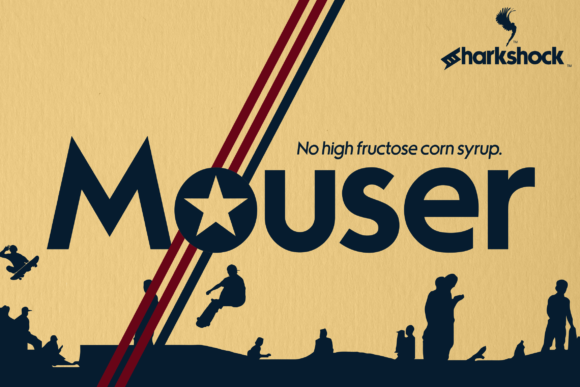
Mousing Through Design Choices: Why Mouser Stands Out in Modern Typography
In the crowded landscape of digital and print design, selecting the right typeface is rarely a trivial decision. It is a strategic move that dictates how information is received, how a brand is perceived, and whether a message resonates with its intended audience. For professionals aged 20 to 50 who are constantly evaluating resources for web designs, business cards, or branding materials, the search often leads back to fonts that balance functionality with aesthetic appeal. This is where Mouser enters the conversation as a compelling option for those seeking a cool, simple, and clean display font.
Unlike serif fonts that rely on traditional elegance or complex scripts that demand artistic flair, Mouser offers a distinct modern touch. Its design philosophy centers on clarity and directness, making it an ideal candidate for projects that require a contemporary feel without sacrificing readability. Whether you are laying out a minimalist website interface or designing a sleek corporate identity, understanding the nuances of Mouser helps in making an informed choice about your visual toolkit.
Defining the Distinctive Character of Mouser
To understand why Mouser is gaining traction among designers, one must first look at what makes it distinct. The font is characterized by its geometric precision and lack of unnecessary ornamentation. Every stroke is deliberate, creating a sense of order and stability that is highly valued in modern communication. The "cool" factor mentioned in its description stems from its ability to convey sophistication through simplicity rather than complexity.
The clean lines of Mouser make it particularly effective for headlines and display text. In these contexts, the font does not just fill space; it commands attention. The spacing between letters, known as kerning, is optimized to ensure that words breathe naturally, preventing the cramped look that can plague many sans-serif alternatives. This attention to detail ensures that even at large sizes, the text remains legible and visually pleasing.
Furthermore, the versatility of Mouser allows it to adapt to various contexts without losing its identity. While some fonts become unreadable when scaled down or used in high-contrast environments, Mouser maintains its structural integrity. This reliability is crucial for designers who need a single typeface that can span multiple mediums, from a large billboard to a small mobile notification.
Comparing Mouser with Similar Display Options
When evaluating typography, it is natural to compare new options against established standards. Many designers might consider standard geometric sans-serifs or humanist variations when looking for a modern font. However, Mouser differentiates itself through a specific balance of warmth and structure. While purely geometric fonts can sometimes feel cold or robotic, Mouser incorporates subtle variations that give it a more approachable personality.
- Geometric Sans-Serifs: These fonts are often built on perfect circles and straight lines. While they offer a futuristic look, they can lack character. Mouser retains this geometric foundation but adds enough nuance to feel less sterile.
- Humanist Sans-Serifs: Known for their organic shapes and varying stroke widths, these fonts are excellent for body text. Mouser, being a display font, focuses more on impact than flow, making it better suited for titles where immediate recognition is key.
- Traditional Serifs: For a modern touch, designers often avoid serifs entirely. Mouser provides the authority of a serif without the historical baggage, offering a fresh alternative for brands wanting to appear innovative yet grounded.
This comparison highlights that Mouser is not necessarily a replacement for all other typefaces but occupies a unique niche. It is best utilized when the goal is to project a modern, forward-thinking image while maintaining a level of professionalism that pure novelty fonts might undermine.
Evaluating Strengths and Practical Tradeoffs
No design tool is without its limitations, and Mouser is no exception. Understanding its strengths and tradeoffs is essential for determining if it fits your specific project requirements. The primary strength of Mouser lies in its ability to create a cohesive visual hierarchy. Because of its clean and simple nature, it pairs exceptionally well with detailed imagery or complex layouts. It acts as a solid anchor, allowing other elements to shine without competing for attention.
However, there are situations where Mouser might not be the optimal choice. As a display font, it is generally not recommended for long-form body copy. The boldness and distinctiveness that make it great for headlines can become fatiguing when read over extended periods. In such cases, pairing Mouser with a more neutral, highly readable sans-serif or serif font is a common strategy to achieve balance.
Another consideration is the weight of the font. While Mouser offers a range of weights, the lighter variants may lose some of their impact on low-resolution screens or when printed on certain materials. Designers must test the font in its intended environment to ensure that the fine details remain crisp. This testing phase is a critical part of the evaluation process, ensuring that the theoretical benefits of the font translate into practical results.
Best-Fit Situations for Mouser
Determining when to use Mouser involves analyzing the specific needs of the project. It shines in scenarios where a modern touch is required to elevate a standard design. For instance, in web design, Mouser can effectively serve as the primary header font for landing pages, product showcases, or portfolio sites. Its clean lines help guide the user's eye directly to the most important content, improving the overall user experience.
Similarly, in the realm of print media, Mouser is an excellent choice for business cards. A card designed with Mouser stands out in a stack of generic documents because it conveys confidence and clarity. The font's ability to look good in both uppercase and lowercase allows for creative flexibility in how contact information is presented.
- Branding Materials: Logos, letterheads, and marketing collateral benefit from the professional yet contemporary vibe of Mouser.
- Digital Interfaces: App icons, navigation bars, and dashboard headers can utilize Mouser to create a seamless and modern digital experience.
- Editorial Design: Magazine covers, book titles, and article headers can leverage the font's strong presence to capture reader interest immediately.
In each of these scenarios, the key is to use Mouser strategically. It should be used to highlight, not to overwhelm. By reserving the font for moments where impact is needed, designers can maximize its effectiveness.
Navigating Alternatives and Making the Final Decision
While Mouser offers a robust set of features, it is important to acknowledge that it is part of a broader ecosystem of design resources. If a project requires a more playful tone, a script font might be more appropriate. Conversely, if the project demands a classic, academic feel, a traditional serif would be a better fit. The decision ultimately depends on the brand voice and the message being communicated.
For those exploring alternatives, the focus should be on finding a font that shares the core values of Mouser—simplicity, cleanliness, and modernity—but perhaps with a different twist. Some alternatives might offer more extensive language support, while others might provide a wider range of stylistic alternates. However, few fonts manage to strike the same balance of coolness and utility that Mouser achieves.
When making the final selection, consider the longevity of the design. Trends come and go, but a clean, simple font like Mouser tends to have a timeless quality. It avoids the pitfalls of overly stylized fonts that might date quickly. This durability makes it a safe investment for businesses and individuals looking to establish a lasting visual identity.
Ultimately, the choice of Mouser should be driven by the specific needs of the project rather than a desire to follow a trend. By carefully weighing its strengths against the potential tradeoffs, designers can determine if it is the right tool for the job. Whether it is for a cutting-edge web application or a sophisticated business card, Mouser provides a reliable foundation for creating designs that are both modern and effective.
As you continue your research into typography, remember that the best font is the one that serves your content best. Mouser is a powerful ally in this endeavor, offering a blend of style and function that can elevate any project. By understanding its unique characteristics and applying them thoughtfully, you can create work that not only looks good but also communicates clearly and effectively.