Pink Rabbit: A Strategic Evaluation of a Distinctive Display Type
In the crowded landscape of digital and print design, selecting the right typography often dictates the success of a visual campaign. While functional sans-serifs dominate body copy, display fonts serve as the primary voice for headlines and branding elements. Pink Rabbit has emerged as a notable option in this category, specifically designed to offer a blend of style and elegance that stands apart from standard geometric or retro typefaces. This evaluation examines the font's characteristics, practical applications, and suitability for various professional contexts.
Defining the Visual Identity of Pink Rabbit
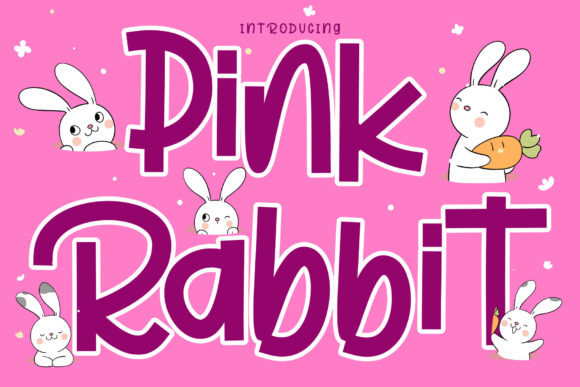
Pink Rabbit is not merely a decorative script; it is a carefully crafted display font intended to convey sophistication without sacrificing legibility. The typeface features fluid strokes and distinct character shapes that suggest movement and grace. Unlike many novelty fonts that prioritize gimmickry over usability, Pink Rabbit maintains a structured baseline that ensures readability even at smaller sizes or on complex backgrounds.
The name itself suggests a playful yet refined aesthetic, which is reflected in its letterforms. The curves are soft but deliberate, avoiding the excessive flourishes that can clutter a design. This balance makes it particularly effective for projects where the goal is to capture attention immediately while maintaining a sense of class. Whether used for a luxury brand logo or an event invitation, the font brings a specific tonal quality that generic alternatives cannot replicate.
Key Characteristics and Design Strengths
When analyzing the technical attributes of Pink Rabbit, several strengths become apparent. First, the weight distribution is consistent throughout the alphabet, ensuring that words do not appear visually unbalanced. This consistency is crucial for professional designers who need their assets to look polished across different media.
- Ligatures and Alternates: Many versions of the font include contextual ligatures that connect letters naturally, enhancing the flow of text. These features allow for more organic-looking headings that feel hand-crafted rather than mechanically generated.
- Legibility: Despite its stylistic flair, the open counters and clear distinction between similar characters (such as 'I' and 'l') ensure that the text remains readable. This is a critical factor often overlooked in display fonts.
- Versatility in Weight: The font family typically offers variations that allow designers to adjust emphasis without switching typefaces, providing flexibility within a single cohesive system.
Practical Applications in Professional Environments
The true value of a typeface lies in its ability to perform under real-world constraints. Pink Rabbit excels in scenarios where visual impact is paramount but the content must remain accessible. Below are specific use cases where this font demonstrates significant utility.
Branding and Logo Design
For entrepreneurs and small business owners, a logo must be memorable and scalable. Pink Rabbit offers a unique signature style that can differentiate a brand from competitors using ubiquitous Helvetica or Roboto. Its elegant nature makes it suitable for lifestyle brands, boutique shops, beauty products, and creative agencies. However, users should note that highly intricate details may get lost when scaling down to favicons or mobile app icons. It is best reserved for primary logos and large-scale signage.
Marketing Materials and Social Media
Marketers and content creators constantly battle for engagement on social platforms. Headlines set in Pink Rabbit can stop the scroll due to their distinctive shape and emotional resonance. It works exceptionally well for:
- Event Posters: The font's dynamic feel adds energy to announcements for workshops, galas, or product launches.
- Product Tags: For physical goods, tags printed with this font can elevate the perceived value of an item, suggesting a premium quality.
- T-Shirt Graphics: In the apparel industry, Pink Rabbit provides a stylish alternative to blocky lettering, appealing to audiences looking for trendy yet sophisticated designs.
Evaluating Usability and Workflow Integration
From a workflow perspective, integrating Pink Rabbit into existing projects requires consideration of compatibility and file management. Most modern design software supports OpenType formats, ensuring smooth installation and rendering. Professionals should verify that the font includes necessary language support if their audience is international, though it is primarily optimized for Latin-based scripts.
The font's reliability is another key metric. High-quality display fonts should maintain their integrity across different operating systems and browsers. Pink Rabbit generally performs well in vector environments like Adobe Illustrator and InDesign. When converting to web formats (SVG or Web Fonts), designers must ensure that the curves render sharply on high-DPI screens to preserve the intended elegance. Poor rasterization can turn a sophisticated font into a jagged mess, so testing across devices is essential.
Potential Limitations and Considerations
No single typeface is a universal solution, and Pink Rabbit is no exception. Its primary limitation lies in its specificity. It is not designed for long-form body text. Using it for paragraphs would create visual fatigue and hinder comprehension. Designers must reserve it for short phrases, titles, and accents.
Additionally, the font's distinct personality might clash with corporate identities that require neutrality or strict adherence to minimalism. If a client demands a "safe" and "corporate" look, Pink Rabbit could be perceived as too whimsical or informal. In such cases, it serves better as a complementary element rather than the dominant typographic voice.
Who Benefits Most from This Resource?
Understanding the target audience for a font is just as important as understanding the font itself. Pink Rabbit is particularly valuable for:
- Freelance Graphic Designers: Those needing a reliable, high-quality asset to quickly produce compelling concepts for clients in the fashion, beauty, or event sectors.
- Small Business Owners: Individuals managing their own branding who lack access to custom type commissions but need a professional edge.
- Blogger and Content Publishers: Writers seeking to add visual hierarchy to their posts without relying on stock photography alone.
- Educators and Presenters: Teachers creating engaging materials or slide decks where capturing student attention is vital.
Long-Term Value and Sustainability
In an era where design trends shift rapidly, investing in a timeless display font is a strategic decision. Pink Rabbit avoids fleeting fads by focusing on fundamental elegance. This approach suggests that assets created with this font will remain relevant for years, offering better return on investment compared to overly trendy options that may look dated within months. For publishers and agencies building a library of resources, adding Pink Rabbit contributes to a versatile toolkit capable of handling diverse project requirements.
Final Thoughts on Implementation
The decision to adopt Pink Rabbit should be driven by the specific goals of the project. It is a powerful tool for elevating visual communication, provided it is used with intention and restraint. By leveraging its strengths in branding, signage, and marketing collateral, professionals can create work that is both aesthetically pleasing and functionally effective. As with any design choice, pairing it with complementary sans-serif or serif typefaces for body text will yield the most balanced and professional results.
Ultimately, Pink Rabbit delivers on its promise of being a stylish and elegant display font. It captures attention not through noise, but through refined form. For those willing to integrate it thoughtfully into their creative workflows, it offers a reliable path to distinguishing their projects in a saturated market.