Bringing the Streets to Your Brand: The Impact of Hollow Ballie in Modern Design
In the rapidly evolving landscape of visual communication, finding a typeface that commands attention while maintaining legibility is a challenge for designers across every sector. The market is saturated with standard sans-serifs and delicate serifs, yet there remains a persistent demand for fonts that convey energy, rebellion, and urban authenticity. This is where Hollow Ballie enters the conversation as a transformative tool for creators seeking to inject a distinct street art vibe into their projects. It is not merely a font; it is a statement of attitude designed to bridge the gap between digital screens and physical textures.
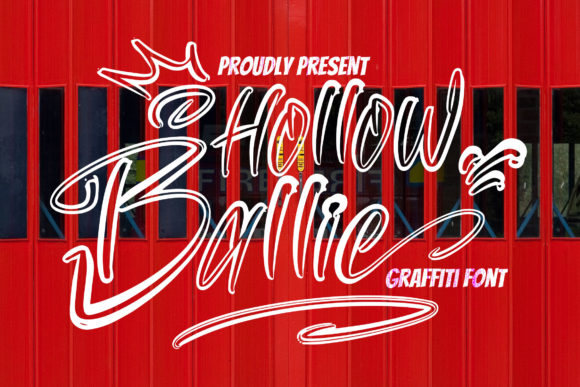
The unique aesthetic of Hollow Ballie stems from its graffiti-styled architecture. Unlike traditional display fonts that attempt to mimic handwriting or rigid block letters, this typeface captures the essence of spray paint on concrete. The characters feature bold outlines and hollow centers, creating a sense of depth and volume that mimics the three-dimensional effect often seen in elaborate murals. This specific design choice allows the text to pop against complex backgrounds, making it an ideal candidate for applications where visibility is paramount.
The Anatomy of Urban Typography
To understand why Hollow Ballie has become a favorite among graphic designers, one must first analyze its structural characteristics. The font is built on the foundation of street culture, drawing inspiration from the dynamic flow of tags and the boldness of throw-up pieces. The "hollow" aspect of the name refers to the internal space within each letterform. By leaving the center empty, the designer ensures that the outline carries the weight of the message, allowing for creative fill options or background interactions without losing the integrity of the character.
This structural approach offers several practical advantages over solid block fonts. When placed over busy patterns or photographic backgrounds common in advertising, the outlined letters maintain clarity. The negative space inside the letters acts as a buffer, preventing the text from blending into the image behind it. Furthermore, the graffiti influence introduces slight irregularities and organic curves that make the typography feel hand-crafted rather than mechanically generated. In a world dominated by vector perfection, this human touch adds a layer of emotional resonance that resonates deeply with audiences looking for authenticity.
The versatility of the design extends beyond simple aesthetics. The font's construction allows it to scale effectively from small details to massive billboards. Whether used for a tiny logo on a button or a headline spanning a city bus, the proportions hold up remarkably well. This scalability is crucial for brands that operate across multiple media channels, ensuring a consistent visual identity regardless of the medium.
Applications Across Creative Industries
The utility of Hollow Ballie is best understood through its diverse applications. Because it embodies a specific cultural moment—the rise of hip-hop and street art—it finds natural homes in industries that value youth culture, movement, and self-expression. However, its use is not limited to niche markets; professionals in various fields are discovering new ways to leverage its impact.
- T-Shirt and Apparel Design: Fashion has long been intertwined with street culture. Hollow Ballie is particularly effective for t-shirt graphics, hoodies, and sportswear. The hollow style allows for intricate color blocking techniques where different colors can be applied inside the letters or left transparent to show the fabric underneath. This creates a layered look that appeals to modern consumers who prefer designs that are both bold and sophisticated.
- Sportswear and Athletic Brands: Energy and dynamism are core values in the sports industry. Fonts that look like they were painted quickly and aggressively fit perfectly with athletic branding. Using Hollow Ballie for team jerseys, event posters, or gym equipment labels conveys a sense of power and readiness. The font's rugged appearance suggests durability and strength, aligning well with the ethos of competitive sports.
- Logos and Brand Identity: For startups and established businesses alike, a logo needs to stand out. A graffiti-style logo using Hollow Ballie can signal that a brand is edgy, innovative, and unafraid to break rules. This is particularly relevant for skate shops, music festivals, craft breweries, and tech companies targeting a younger demographic. The distinct shape of the letters makes for a memorable icon that sticks in the viewer's mind.
- Advertisements and Posters: In the cluttered environment of digital and print advertising, stopping the scroll or the passerby is essential. The high contrast of the hollow letters against dark or vibrant backgrounds ensures immediate readability. Event organizers and marketing agencies often choose this font for concert flyers, album covers, and promotional banners because it instantly communicates excitement and urgency.
Strategic Implementation for Business Owners
For business owners considering the adoption of Hollow Ballie, the decision should be driven by strategic alignment rather than mere trend-following. Integrating a graffiti-styled font requires a clear understanding of the target audience and the brand message. If a company aims to project a corporate, conservative image, this font would likely be counterproductive. However, if the goal is to connect with Gen Z, engage with urban communities, or highlight a product line focused on creativity and action, the font becomes a powerful asset.
One of the most effective strategies is to pair Hollow Ballie with more neutral typefaces. A common mistake in design is using too many competing styles. By combining the wild, expressive nature of Hollow Ballie with a clean, minimal sans-serif for body text, designers can create a balanced hierarchy. The display font grabs attention, while the supporting text provides necessary information in a readable format. This combination ensures that the design remains professional while retaining its artistic flair.
Consider the workflow of a clothing retailer launching a summer collection. They might use Hollow Ballie for the campaign title on social media posts to generate buzz, then switch to a simpler font for product descriptions and sizing charts. This differentiation helps guide the consumer's eye, emphasizing the emotional hook of the ad while maintaining functional clarity in the transactional details. Such thoughtful implementation demonstrates expertise and respect for the user experience.
Empowering Educators and Researchers
The relevance of Hollow Ballie extends beyond commercial sectors into education and research. For educators teaching graphic design, typography, or art history, this font serves as an excellent case study in the evolution of type. It illustrates how digital tools have democratized access to styles that were once the exclusive domain of street artists with spray cans. Analyzing the geometric constraints and artistic liberties of Hollow Ballie helps students understand the balance between structure and chaos in design.
Researchers studying cultural trends may find value in tracking the usage of such fonts. The proliferation of graffiti-inspired typefaces in mainstream media reflects a broader societal shift towards valuing individuality and raw expression. By examining where and how Hollow Ballie is deployed, scholars can gain insights into the intersection of commerce and counterculture. The font acts as a tangible artifact of the ongoing dialogue between street culture and the fashion industry.
In the classroom, instructors can assign projects that require students to adapt Hollow Ballie for different contexts. This exercise challenges learners to think critically about tone and context. Can the font work for a serious political poster? What modifications are needed to make it appropriate for a community workshop flyer? These questions foster deeper engagement with the material and encourage creative problem-solving skills.
Technical Considerations and Best Practices
While the visual appeal of Hollow Ballie is undeniable, successful implementation requires attention to technical details. One of the primary considerations is kerning and spacing. Graffiti fonts often have varying widths and angles, which can lead to uneven spacing if not adjusted manually. Designers must be prepared to tweak the tracking to ensure that words read smoothly and do not appear cramped or disjointed.
Color selection also plays a critical role. Because the letters are hollow, the background color shows through the center. This means that the choice of fill color (or lack thereof) significantly impacts the overall mood. High-contrast combinations, such as white outlines on black backgrounds or neon fills on dark grays, tend to yield the most striking results. Conversely, low-contrast pairings may cause the text to lose its definition, diminishing the intended impact.
Another important factor is resolution. When scaling Hollow Ballie for large-format printing, such as billboards or vehicle wraps, it is essential to use vector files to prevent pixelation. The thin lines of the outline can sometimes suffer from aliasing if the resolution is too low. Ensuring that the source file is high-quality guarantees that the crisp edges of the graffiti style remain sharp and professional in the final output.
The Future of Street-Inspired Design
As digital platforms continue to evolve, the demand for distinctive visual identities will only grow. Hollow Ballie represents a segment of typography that is poised to remain relevant due to its timeless connection to urban culture. The font's ability to convey emotion and energy makes it a versatile tool that transcends temporary fads. Whether used for a fleeting social media campaign or a permanent brand mark, it brings a sense of life and movement to static images.
The integration of augmented reality and interactive media may further expand the potential of fonts like Hollow Ballie. Imagine a mobile app where users can scan a poster featuring the font and see animated spray paint effects come to life. The hollow structure of the letters could serve as a canvas for these digital overlays, creating immersive experiences that blend physical and virtual worlds. This future-forward application highlights the adaptability of the design.
Ultimately, the success of any design project depends on the harmony between the tool and the intent. Hollow Ballie provides a robust, expressive foundation for those willing to explore the boundaries of conventional typography. By understanding its strengths, respecting its origins, and applying it with strategic precision, creators can produce work that not only looks great but also speaks directly to the hearts of their audience. In a crowded marketplace, having a font that stands out is not just an advantage; it is a necessity.
For hobbyists, professionals, and everyone in between, the exploration of Hollow Ballie offers a gateway to a richer visual language. It invites designers to step outside the grid, embrace the rough edges of street art, and bring a fresh perspective to their work. As we move forward, the legacy of this graffiti-styled display font will likely continue to inspire new generations of creatives to push the limits of what type can achieve.